How to Format Tables and Figures for Academic Journal Submission
How to Format Tables and Figures for Academic Journal Submission
Tables and figures can make complex results easier to understand, but only when they are designed with the reader in mind. A crowded table, an unreadable axis, or a vague caption can make strong data harder to interpret than it needs to be. The challenge is that there is no single formatting standard shared by every academic journal. Publishers often have their own requirements for file types, resolution, placement, and captions. For that reason, the journal’s Instructions for Authors should always be your final reference. Still, a few principles apply across most submissions.
First Decide: Table, Figure, or Text?
Before formatting anything, ask whether the information really needs a table or figure.
Tables work best when readers need to compare exact values, categories, or several related results. Figures are usually more effective when the main point is a trend, relationship, distribution, or visual comparison. If you only need to report two or three straightforward findings, the text itself may be enough.
One common mistake is presenting the same information three times: once in the paragraph, again in a table, and then once more in a figure. Unless there is a clear reason for doing so, this usually creates repetition rather than clarity.
Think about what you want the reader to notice first. If exact numbers matter, a table may be the better choice. If the pattern matters more than each individual value, a figure will probably communicate it faster.
Format Tables for Easy Reading
A good academic table should be understandable without forcing the reader to search through several paragraphs for basic context.
Number tables in the order in which they are first mentioned in the manuscript, and give each one a short but informative title. Units, abbreviations, statistical symbols, and unusual notation should be explained clearly. Numerical formatting also matters. For example, changing from one decimal place to three decimals within the same column makes the table look inconsistent and can distract from the results.
Keep the design simple. Extra shading, decorative lines, and unnecessary formatting rarely improve academic tables.
Consider this small example.
Before
Table 1. Results
Group A: 5.2, 7.431, 6
Group B: 4.97, 8.2, 6.114
SD = standard deviation mentioned only in the main text.
After
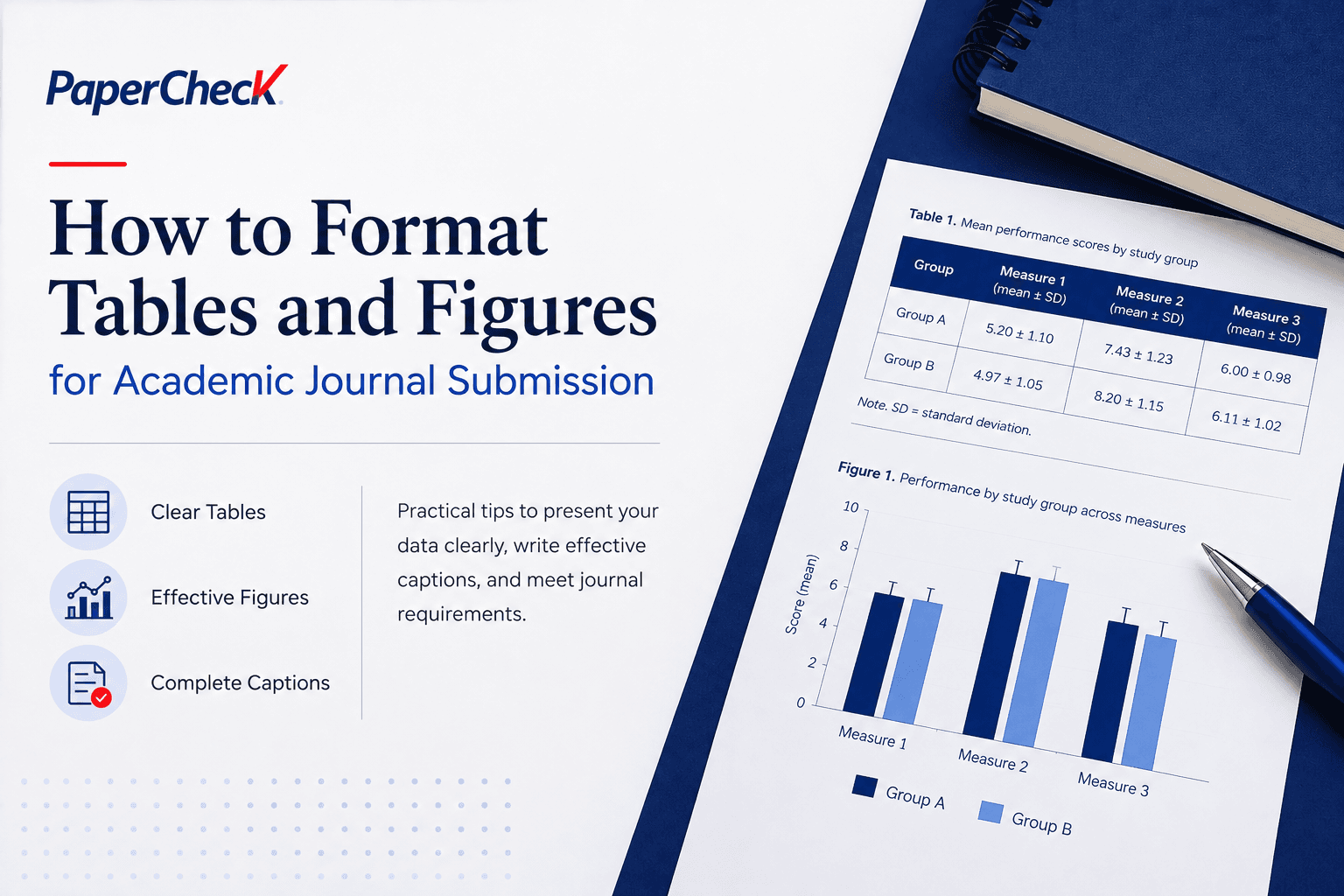
Table 1. Mean performance scores by study group
Group A: 5.20 | 7.43 | 6.00
Group B: 4.97 | 8.20 | 6.11
Note. SD = standard deviation.
The data itself has not changed. The second version simply gives the reader more context and presents the numbers consistently.
Whenever possible, keep tables editable rather than converting them into images. Many journals specifically request editable table files during production.
Prepare Figures That Remain Clear After Submission
With figures, clarity comes before technical specifications.
Axis labels should be readable, units should be identified, and fonts should remain consistent across different figures. If a figure contains several panels, label them clearly—usually A, B, C, and so on—and use those labels consistently in the caption and manuscript text.
Color deserves some attention as well. Two shades that appear clearly different on your monitor may become difficult to distinguish when printed or viewed by someone with color-vision deficiency. Do not rely on color alone when patterns, symbols, or labels could make the distinction clearer.
Only after the figure itself works visually should you check the technical file. Journals may specify resolution, dimensions, file formats, or whether artwork must be uploaded separately. Requirements vary. Many publishers request publication-quality raster images around 300 dpi or above, but line art and combination images may require considerably higher resolution.
The journal’s own artwork instructions should therefore take priority over any general rule you find online.
Write Captions That Can Stand on Their Own
Captions often receive less attention than the figure itself, but they are part of the scientific communication.
A figure caption should tell readers what they are looking at without requiring them to immediately return to the Methods or Results section. Start with the figure number and a concise description. Then explain panels, symbols, abbreviations, statistical markers, or error bars when necessary.
Table titles generally work differently. The title identifies what the table contains, while notes below the table can explain abbreviations, significance levels, or details needed to interpret the data.
The goal is not to rewrite your Results section underneath every display item. A caption should provide enough information to interpret the figure or table, not repeat the paper.
Final Table and Figure Check Before Uploading
Before submission, use one final check:
● Is every table and figure mentioned in the manuscript?
● Are they numbered in the order in which they appear?
● Can each item be understood without searching through several pages of text?
● Are abbreviations, symbols, units, and statistical markers explained?
● Are figure labels readable at the size they are likely to appear?
● Do the files meet the journal’s requested format and resolution?
● Have you checked whether artwork and captions must be uploaded separately?
Good formatting should make research easier to understand, not draw attention to itself. The most effective table is not necessarily the most detailed one, and the best figure is rarely the most elaborate. Both should help readers see the evidence quickly and accurately.
Before submitting, review each display item as carefully as you review the manuscript itself. Clear presentation, complete captions, and journal-specific technical requirements can make the difference between a figure that merely contains data and one that genuinely communicates it.
Ready to Submit Your Manuscript?
Clear tables and figures can make your research easier to understand—and a professional review can help you catch issues before submission.
Get your manuscript reviewed by a professional editor before you submit.