From Draft to Journal Submission: Where Professional Editing Makes the Biggest Difference
From Draft to Journal Submission: Where Professional Editing Makes the Biggest Difference
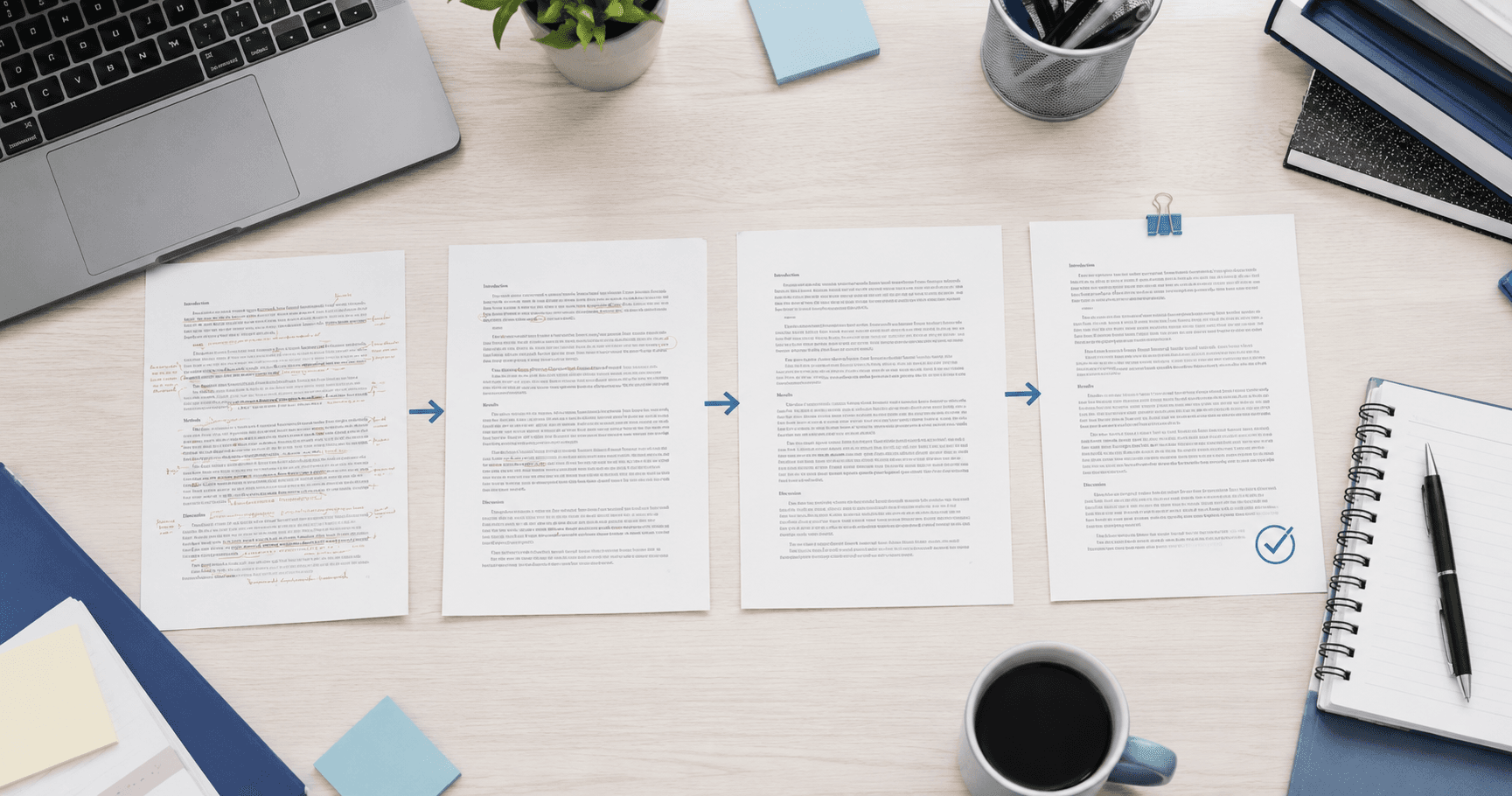
Turning a rough manuscript into a journal-ready paper is rarely a straight line. Most researchers begin with a draft that captures the core idea, the data, and perhaps a promising interpretation.
But between that first version and a polished submission lies a series of revision stages, each with different editing needs. Professional editing adds the most value not at the very end, but at the points where clarity, structure, and scholarly precision matter most.
Abstract
The writing journey typically begins with a "dump draft," capturing ideas without structure. However, the first major hurdle is the Abstract. This section is your paper’s first impression and, sometimes, the only part of a paper that editors, reviewers, and readers will examine closely before deciding whether to continue. For that reason, this is one of the areas where professional editing makes a dramatic difference. An editor can tighten the language, remove unnecessary detail, and ensure the abstract matches the content of the paper. They can also check for missing elements, overstatement, and unclear phrasing. A well-edited abstract directly increases the likelihood of reaching the peer-review stage.
Main Text and Results
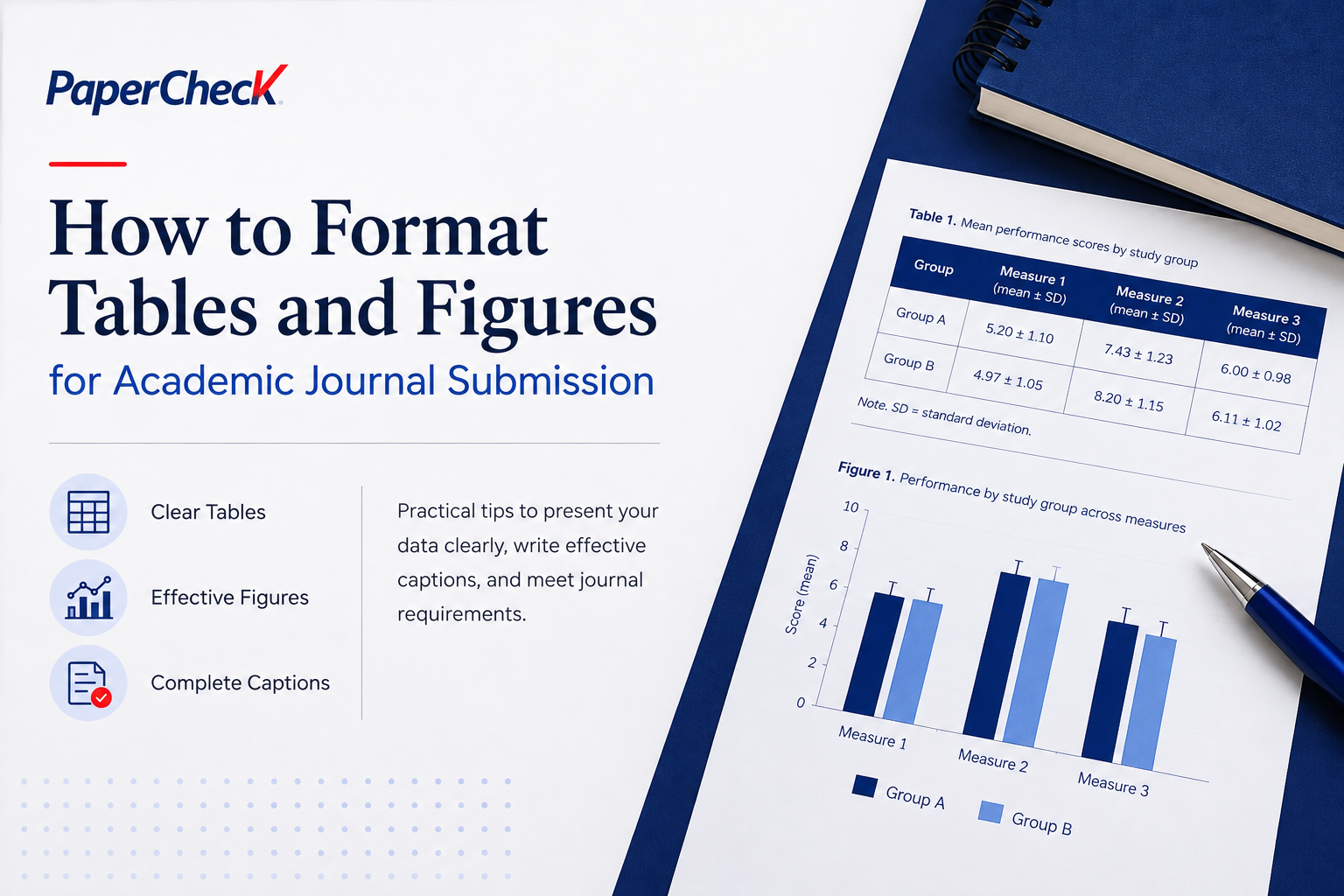
Once the paper has a solid structure, the editing focus shifts from big-picture organization to sentence-level clarity. This is especially important in the results section, where precision matters more than style. Tables, figures, and narrative explanation need to work together cleanly.
Editors can help standardize terminology, reduce redundancy, and make complex findings easier to follow without altering the science. At this stage, the goal is to help readers move through the paper without having to pause and decipher what the author means.
Discussion
The discussion is often the most vulnerable part of a manuscript. Authors are understandably eager to emphasize the importance of their work, which can lead to overinterpretation, or they may struggle to interpret their results meaningfully or compare them effectively with existing research. Professional editing is particularly valuable here because it can sharpen the argument while maintaining appropriate caution.
An editor can help distinguish between what the data show and what the author hopes they imply. They can also improve transitions, clarify limitations, and make the contribution to the field more explicit.
References
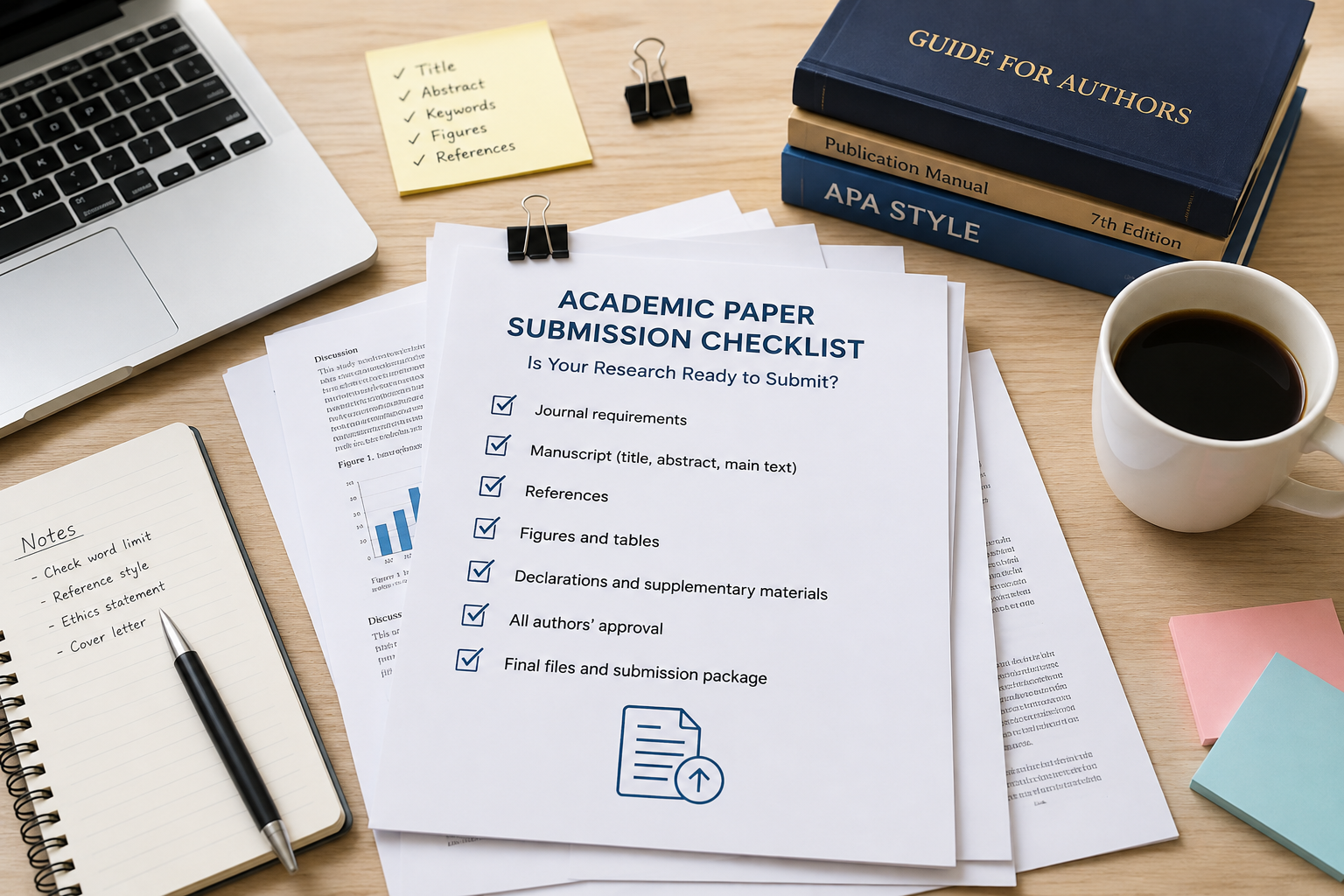
The references section, often overlooked, can be a manuscript’s undoing. They may seem mechanical, but they are one of the clearest signals of professionalism. Errors in citation style, missing entries, inconsistent formatting, or outdated sources can undermine confidence in the manuscript. This is another stage where editing adds clear value. Journal instructions frequently mandate specific styles (APA, MLA, Chicago), and inconsistencies here can lead to immediate rejection. Professional editing ensures absolute adherence to these guidelines, checking citation consistency and formatting.
The Final Submission
By the time a manuscript is ready for submission, editing should have done more than fix grammar. It should have improved the logic, strengthened the argument, and reduced the chance of avoidable rejection. The greatest impact often comes from editing that happens at key transition points: after the first draft, before submission, and during final compliance checks.
In short, professional editing is most valuable where the manuscript’s success depends on clarity and precision. The science may get the paper accepted, but editing helps make sure the science is seen, understood, and respected.
Ready to Submit Your Manuscript?
Professional editing helps ensure your research is communicated clearly, accurately, and professionally before journal submission.